
Have you noticed your teeth look longer or your gums pulling back? A change in the gumline, or gum recession, can be easy to overlook, but it may be a sign of gum disease. These changes warrant a dental evaluation, even if you’re not in pain, because gum disease can progress before the symptoms become more noticeable.
As a restorative dentist in Emeryville with over 25 years of experience, Dr. Magno emphasizes healthy gums as the foundation for maintaining natural teeth and dental restorations. By understanding what gum recession can mean and recognizing other signs of gum disease early, you can protect your long-term oral health.
Is Gum Recession a Sign of Gum Disease?
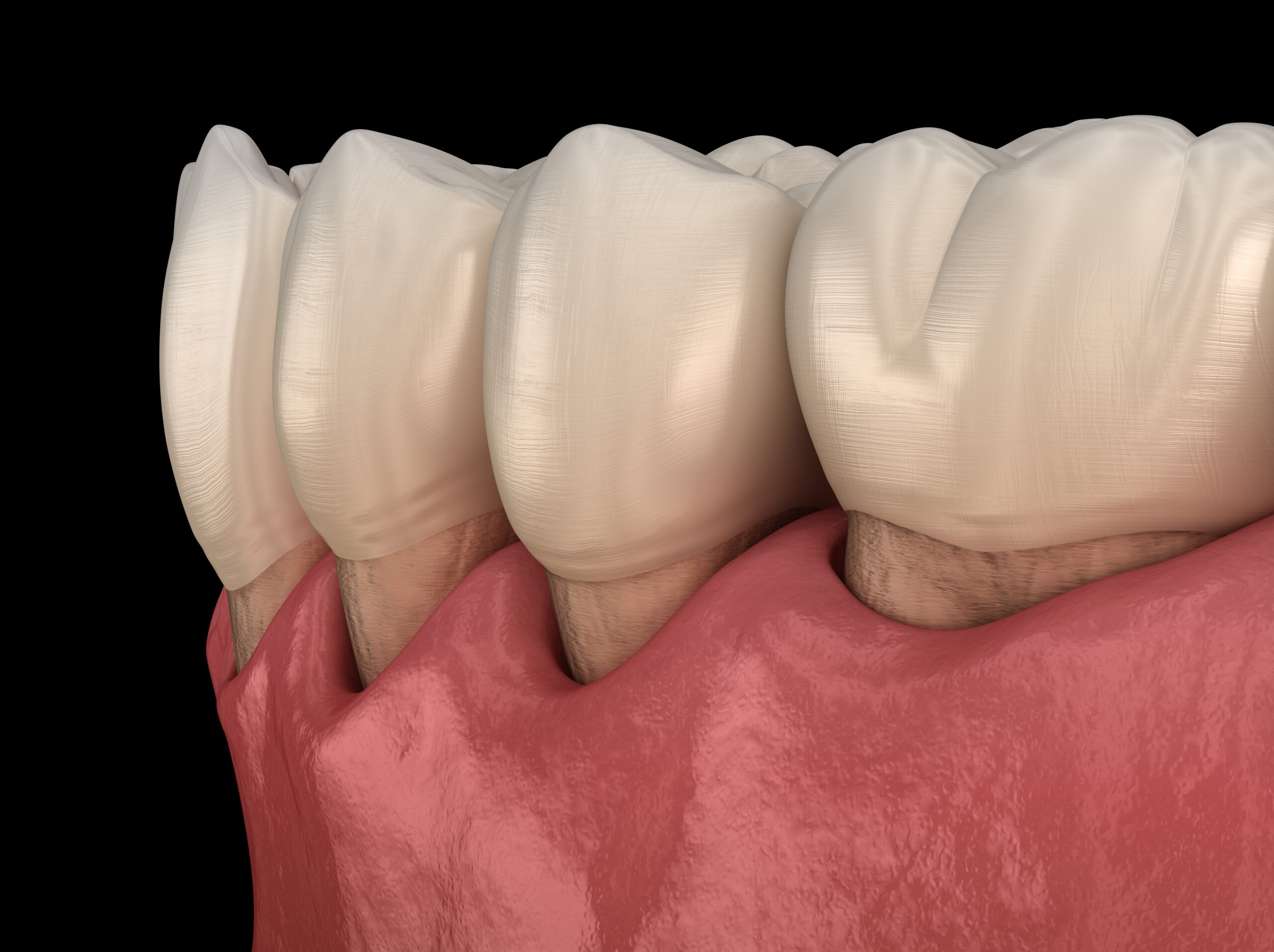 Gum recession is when the gum margin moves away from its original position, exposing more of the tooth or root. This creates visible changes that you might notice when you look in the mirror, including longer-looking teeth and exposed roots, which may become sensitive. Gum disease, medically called periodontal disease, can cause recession, but aggressive brushing and other factors can also contribute.
Gum recession alone doesn’t diagnose gum disease. During a routine check-up, a dentist like Dr. Magno can help determine whether recession is related to gum disease. She might look for accompanying symptoms like gum inflammation and changes in the support around the teeth.
Because gum disease often comes with symptoms beyond receding gums, it’s important to watch for other signs.
Other Signs of Gum Disease To Look Out For
What other signs and symptoms of gum disease should you look for in the mirror? Here are some of the most common symptoms of gum disease:
- Bleeding gums when you brush, floss, or eat
- Red, swollen, or tender gums, which may indicate inflammation
- Persistent bad breath, even with routine cleaning
- Loose or shifting teeth
Gum disease can progress before symptoms become obvious. It may be painless and cause very few noticeable symptoms. So, you shouldn’t wait to be in pain before scheduling a visit.
What Causes Gum Disease, and Why Does Early Care Matter?
Understanding what causes gum disease and how it progresses shows how valuable early care truly is.
Plaque bacteria and inadequate cleaning can cause gum inflammation, the earliest stage of gum disease (gingivitis). This mainly affects the gums and is actually reversible with a professional dental cleaning and proper at-home care. To address gingivitis, brush twice a day with a soft-bristled toothbrush and floss daily. Keep cleaning gently even if you bleed a little.
Early at-home intervention can help prevent gum disease from worsening. If left untreated, gum disease can progress to periodontitis, which damages the supporting tissues and bone. At this point, you may notice your teeth loosen. Once you reach periodontitis, you’ll need more thorough intervention with root scaling and planing to remove buildup below the gumline. In some cases, a dentist might accompany the treatment with laser dentistry.
Even if your gum disease has progressed to periodontitis, it’s always beneficial to treat it sooner rather than later. With her dental experience, Dr. Magno knows it’s best to address gum disease before restorative work, like crowns or dental implant placement.
Have You Noticed Gum Recession? Text or Call for an Affordable Consult
If you have gum recession or notice bleeding, swelling, or changes in tooth stability, schedule a dental visit sooner rather than later. These changes don’t always mean you have gum disease, but they may mean you should pay closer attention to your gum health. Protecting the gums helps preserve your teeth and keep dental work in good shape for longer.
The good news is that addressing gum problems early can prevent more serious damage to the soft tissue and bone that support your teeth. At your next visit, Dr. Magno can evaluate what is causing your symptoms in order to determine whether you have gum disease. If you do, she can recommend next steps to set you up for a healthier smile.
Notice receding or bleeding gums? Text or call Dr. Magno’s office at (510) 591-0091 to schedule an evaluation and discuss your next steps.

 English
 Spanish